Mount Sinai Health System as leading academic medical center, Mount Sinai offers vast clinical expertise and a diverse patient population. The Hasso Plattner Institute for Digital Health at Mount Sinai (HPI·MS) serves as a hub for integrating biomedical and data sciences, aiming to improve diagnostics, treatment, and patient engagement.

Data4Life is a nonprofit digital health organization headquartered in Potsdam supported by the Hasso Plattner Foundation, with additional locations in Berlin and Singapore. The organization develops scalable digital solutions that make health data accessible and usable for research - securely, transparently, and based on international standards (like FHIR and OMOP). Data4Life works with university hospitals and global research institutions to unlock the full potential of health data.
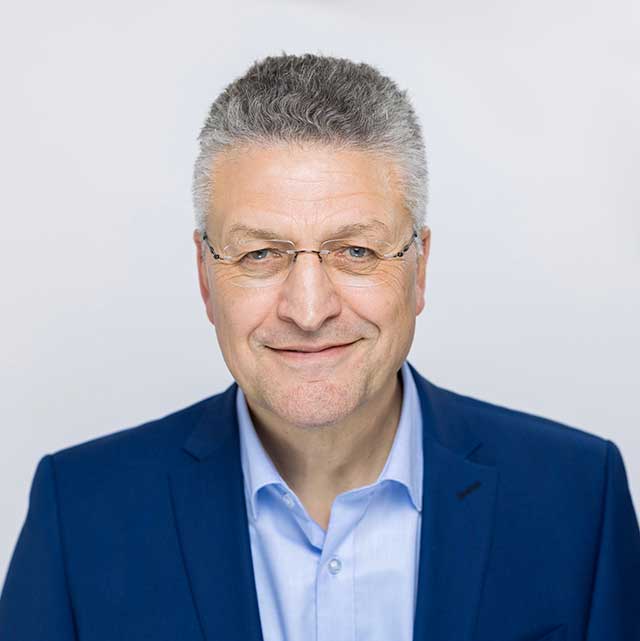
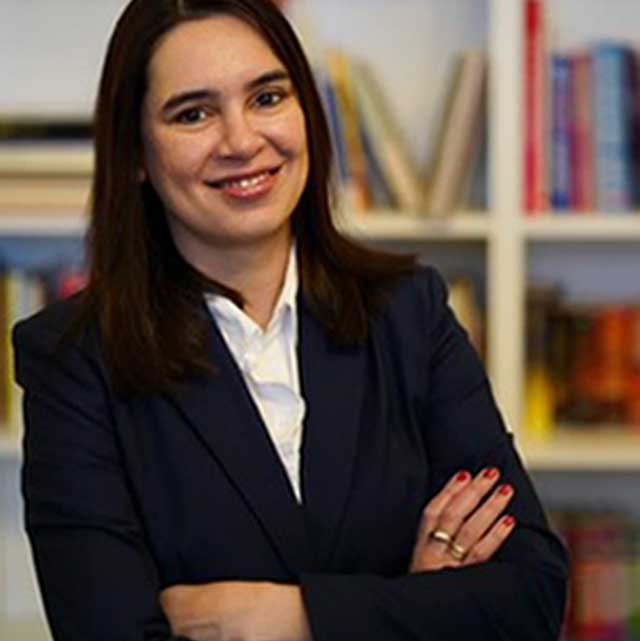

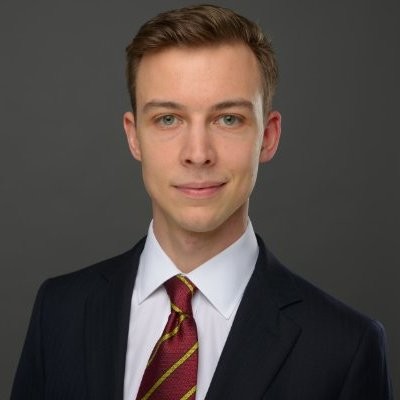


Moritz Matthey
Head of Program Management at Hasso Plattner Foundation
Girish N. Nadkarni, MD, MPH
Lorem ipsum amet ex libris nuca sunt trahunt
Alexander W. Charney, MD, PhD
Lorem ipsum amet ex libris nuca sunt trahunt
Girish N. Nadkarni, MD, MPH
Lorem ipsum amet ex libris nuca sunt trahunt
Alexander W. Charney, MD, PhD
Lorem ipsum amet ex libris nuca sunt trahunt
Girish N. Nadkarni, MD, MPH
Alexander W. Charney, MD, PhD
Moritz Matthey
Head of Program Management at Hasso Plattner Foundation
Girish N. Nadkarni
MD, MPH, Mount Sinai
Alexander W. Charney
MD, PhD, Mount Sinai
 | Mount Sinai | Alex Charney | Director, The Charles Bronfman Institute for Personalized Medicine | Dr. Charney is a physician-scientist focused on translating genomic discoveries to new treatments. Within his field, Dr. Charney is best known for delivering on massive scale innovative research programs. He started and leads the Mount Sinai Million Health Discoveries Program, which is sequencing the genomes of 1 million diverse New Yorkers to unravel the nature of human disease. |
 | HPI | Elmien Heyneke | Academic Program Coordinator HPI-MS Partnership Coordination Office | Elmien serves as the Academic Program Coordinator for the Digital Health Partnership between HPI and HPI.MS, overseeing the graduate school, academic exchange, and connecting researchers. She plays a key role in defining project objectives and requirements, while supporting faculty and students in their research activities. With a background in biochemistry and extensive postdoctoral experience in omics and bioinformatics data integration, Elmien has successfully planned and led scientific projects. She has coordinated collaborations between academia and industry, delivering data analysis services to hospitals, research institutes, and industry partners. Her expertise includes strategic planning, stakeholder management, and ensuring seamless coordination of academic and research initiatives. |
 | HPI | Esther-Maria Antao | Partnership Lead, Digital Health Cluster & Scientific Lead, Digital Global Public Health | Esther-Maria Antao is a trained microbiologist. Her previous research interests focused in particular on antibiotic resistance and communication. During her time at the National Public Health Institute of Germany, she continued to concentrate on public health and science communication, and contributed to the public health response during the COVID-19 pandemic. As Scientific Lead at the Chair for Digital Global Public Health at HPI, she is now committed to exploring digital public health communication to reduce disease burden and antimicrobial resistance. In addition, she will focus on the ethical principles that govern global health practice, particularly the use of AI for global health. She is determined to advocate for a balanced approach that is guided by strong ethical principles, while responsibly harnessing the advances in innovation and technology for the common good, both in research and teaching.\r\nAs Partnership lead, she oversees the strategic and operational developments of the Digital Health Partnership and is the designated focal point for the partnership in Potsdam. |
 | Mount Sinai | Kelly Morgan | Executive Assistant | Kelly is a professional in healthcare with a Master's of Health Administration. She works at Mount Sinai within The Charles Bronfman Institute for Personalized Medicine to provide high-level administrative support to the directors of the institution, Drs. Alex Charney and Girish Nadkarni. She manages schedules, coordinate meetings, handle communications, and oversees projects, ensuring efficient operations within the department. |
 | HPI | Lothar H. Wieler | Co-Director of the Digital Health Partnership and Speaker of the Digital Health Cluster | Lothar H. Wieler, Chair of Digital Global Public Health at Hasso-Plattner-Insitute, University Potsdam, Germany, is a microbiologist and global public health expert. Initially focusing on the molecular pathogenesis, genomic surveillance, and evolution of infectious agents, particularly zoonotic and antibiotic-resistant bacterial pathogens, he extended his research to public and global health, concentrating on disease prevention and containment of pathogens with epidemic and pandemic potential. He currently extends his research to the prevention of non-communicable diseases, conducting studies in the field of digital health, with a particular focus on global public health issues. His goal is to reduce health inequalities by promoting digital public health at local, national, and global level, with a particular focus on low- and middle-income countries (LMICs). After holding a full professorship at Freie University Berlin from 1998, he was president of the Robert Koch-Institute from 2015 to 2023. Wieler is member of the National Academy of Sciences Leopoldina (Chair of section “Global Health”), and among others Member of the Global Leaders Group on Antimicrobial Resistance (WHO, UNEP, FAO, WHOAH), the Strategic and Technical Advisory Group on Infectious Hazards (WHO) and the Sciana network. |
 | Mount Sinai | Patricia Kovatch | Dean for Scientific Computing and Data & Professor | Patricia Kovatch joined the Icahn School of Medicine at Mount Sinai as the founding Dean for Scientific Computing and Data in 2011. She is a tenured Professor in the Departments of Genetics and Genomic Sciences and Pharmacological Sciences.\r\n\r\nHer arrival at Mount Sinai immediately elevated the institution’s computational and data ecosystem to a level beyond what most medical centers could imagine. These new data analytic capabilities helped Mount Sinai to usher in an era of precision medicine, bringing Mount Sinai recognition from the NY Times, Wired and Fast Company. Dean Kovatch and her multi-disciplinary team of experts at the intersection of technology, biomedical science and medicine have enabled multi-scale, AI-powered science through close collaborations with researchers and clinicians across the Mount Sinai Health System. These partnerships support nearly $300 million in NIH-funded computational and data science research per year, resulting in over 2,300 publications over the last 12 years.\r\n\r\nAs a Principal Investigator (PI), Dean Kovatch has been continuously funded by the National Institutes of Health (NIH) since 2014. She has received multiple NIH equipment awards from the Office of the Director for high-performance computing and data infrastructure that have accelerated research and discovery and reduced cost for Mount Sinai. She was awarded a training grant from the National Institute for Biomedical Imaging and Bioengineering for the Community Research Education and Engagement for Data Science. She is also the PI and Director for the Data Repository and Management Core for the National Institute of Environmental Health Sciences’ Human Health Exposure Analysis Resource.\r\n\r\nBefore coming to Mount Sinai, Dean Kovatch previously served as the director of an institute for computational science for the National Science Foundation at a Department of Energy national laboratory. This institute deployed the third fastest supercomputer in the world in 2009. |
 | D4L | Christian Hentschel | Team Lead Analytics Projects Europe | Christian Hentschel is a Senior Analytics Engineer at D4L data4life gGmbH. As part of AIR·MS, he is currently working on topics such as the KPI dashboard and the development of solutions for secure annotation of radiology images. In addition, he is the contact person in Europe for the Data2Evidence Platform, D4L's solution for the management of medical research data. \r\nBefore joining Data4Life, Christian Hentschel worked as a research assistant at the Hasso Plattner Institute in the field of computer vision and machine learning. His focus was automatic classification of visual concepts in images and video streams. |
 | D4L | David Weese | Head of Engineering | Dr. David Weese is a seasoned professional with extensive experience in the healthcare, life sciences, and bioinformatics industries. He holds a Ph.D. in Computer Science\/Bioinformatics from Freie Universität Berlin, with a focus on genome analysis and algorithmic bioinformatics. His career spans both academic and industry roles, including positions as a Head of Engineering and Team Lead at D4L Data4Life, and Senior Software Engineer at SAP SE. In these roles, he has developed healthcare platforms, research apps, and patient data visualization tools. His academic background includes a postdoctoral stint at Freie Universität Berlin and work as a Senior Algorithm Engineer in genome sequencing projects. He is skilled in full-stack development, parallel programming, and algorithm design. Dr. Weese has also contributed to the academic community as a peer reviewer and lecturer, with multiple publications in bioinformatics?. |
 | D4L | Florian Helmchen | Team Lead Technical Communication | I’m helping people be successful with software and reach their goals by using words that everyone can understand. I worked in book publishing, technical writing, and UX writing for over 20 years. |
 | D4L | Karthik Seetharaman | Lead Product Manager | Karthik Seetharaman is an experienced professional with 15 years of international experience in research, development, project management, and product management in healthcare and medical devices development. He has worked with universities, startups, and established organisations to successfully launch products that have created a positive impact in healthcare industry.\r\n\r\nHe is currently the Lead Product Manager at Data4Life where he leads the development of Data2Evidence, an end-to-end healthcare data management solution, and FAIR, a metadata management tool. Prior to this, he has developed a wireless EEG headset and body area network sensors for sports coaching in Switzerland. In ULB, Brussels, he led the development of a Brain Computer Interface for controlling an exoskeleton for paraplegic individuals. \r\n\r\nHe holds a PhD in Neuroengineering and a MS in Biomedical Engineering from NTU, Singapore. |
 | D4L | Leandro Rodriguez | Sr. UI\/UX designer | Working on Data4life since 2019 as senior UI\/UX designer, designing solutions mostly for HPI, Charité and RKI. |
 | D4L | Pablo Guerrero | Team Lead Collaborative Projects | Pablo Guerrero is a software engineer with a passion for building digital products. Pablo obtained a Systems Engineering degree in Argentina, followed by a PhD in Computer Science in the area of distributed systems at the TU Darmstadt in Germany. For over 10 years, his work in the software industry has focused on bringing innovative products in the health-tech space to the market. Pablo has worked both in a startup as well as large enterprise, global setups, often with data-intensive applications that require an underlying reliable infrastructure. At Data4Life, he and his team support the definition and end-to-end execution of collaborative projects, including AIR·MS. |
 | D4L | Peter Hoffmann | Co-CTO | Peter Hoffmann is a software development professional with over 10 years of experience. A graduate of the Technical University of Munich, he began his career at SAP in Germany, as a software engineer. He then became Development Manager at SAP in Singapore, building up a development team to deliver innovative software solutions in the health care sector. Currently being one of the Co-CTOs at Data4Life, Peter Hoffmann is responsible for the Singapore location of Data4Life and leading the teams responsible for the development of the Data2Evidence platform. |
 | D4L | Satish Kumar Anbazhagan | Team Lead | I am a software developer spanning experience over 15 years with an education background from Computer Science. My work experience covers different domains such as semiconductor, payroll and healthcare, of which the last one has been the dominant industry for close to 9 years. Initially started off as a backend developer working on Java and multiple databases. However over the years, my role has expanded into devops writing CI\/CD pipelines, setting up cloud infrastructure and responsible for maintaining production running container orchestration systems. Because of my extensive experience in this domain, I have worked as a product owner as well at Data4Life, grooming the product development backlog, showcasing the product to stakeholders and participating in meetings with the product team. To summarize, my primary responsibility is to realize the technical implementation that improves the analytics platform in a manner that serves our partners better. |
 | D4L | Sebastian Woinar | Managing Director and Co-CTO | Sebastian Woinar joined Data4Life in 2019, becoming part of the management board as VP of Engineering in 2022. Since 2024 he is managing director and Co-CTO. His interests include wearables and sensors, AI models, interoperability, EHR data, data quality and end-to-end encryption. He learned his trade at the Hasso Plattner Institute, where he studied IT Systems Engineering. At the SAP Health Innovation Hub, he worked first as a developer and later as a development manager. |
 | D4L | Thomas Holst | Senior Software Engineer | I’m currently a Senior Software Engineer at Data4Life, with a focus primarily on backend development. I have over 10 years of experience, including 7 years at SAP, working with large hospitals and research organizations in the healthcare sector. I have experience in both frontend and backend development, allowing me to work across the full stack when needed. My recent projects include the AIR·MS App Tier, AIR·MS Bowel Segmentation \/ Visian, and D4L Collect. I enjoy turning collaborative input into practical software solutions, particularly in healthcare technology. I’m always open to collaborating on projects that push forward innovation in this space. |
 | D4L | Thomas Holst | Senior Software Engineer | I’m currently a Senior Software Engineer at Data4Life, with a focus primarily on backend development. I have over 10 years of experience, including 7 years at SAP, working with large hospitals and research organizations in the healthcare sector. I have experience in both frontend and backend development, allowing me to work across the full stack when needed. My recent projects include the AIRMS App Tier, AIRMS Bowel Segmentation \/ Visian, and D4L Collect. I enjoy turning collaborative input into practical software solutions, particularly in healthcare technology. I’m always open to collaborating on projects that push forward innovation in this space. |
 | D4L | Tillmann Int-Veen | Junior Product Manager | In Data4Life, as a Product Manager, I've worked on AIR·MS, the Metadata Exchange platform and the Gesundheit in Deutschland research panel in collaboration with the Robert Koch Institute. Previously, I worked as a Business Development Manager building a B2B network at Innoloft, and as a Quality Manager at a small hospital. I hold two Master's degrees: One in Digital Health from the HPI, another in Healthcare Policy, Innovation and Management from Maastricht University. |
 | D4L | Yasaman Baghaei | Working student - Product\/Project Management | I earned a Bachelor's in Mathematics and a Master's in Mathematics Education, and I initially taught high school mathematics. I began my tech career in the Learning and Development team and later transitioned into product management, where I worked for a couple of years, focusing on cloud and AI technologies for IaaS and SaaS products. Currently, as of January 2024, I am pursuing an MBA at ESMT to further enhance my leadership and business skills. |
 | HPI | Aadil Rasheed | IT-Liaison HPI-MS Partnership Coordination Office | Aadil Rasheed is a PhD candidate at Digital Global Public Health, working on AIR.MS data. He has studied Computer Science; he serves as the IT-Liaison for the Digital Health Partnership HPI-HPIMS and helps co-ordinate all technical aspects of this partnership. His research interests include the application of Machine Learning and Natural Language Processing in Digital Health. |
 | HPI | Akhyar Ahmed | Research Assistant, PhD Student | Akhyar Ahmed is a researcher and 1st year PhD student at the Hasso Plattner Institute (HPI), where he specializes in Digital Global Public Health. His academic background includes a Master's in Data Science from the University of Potsdam. Previously, Akhyar held a position at the German Research Center for Artificial Intelligence (DFKI), focusing on advanced natural language processing, dialog systems, and AI-driven translation services. His prior projects encompassed the development of predictive models for dementia using explainable AI, machine translations, and the creation of modular dialog systems. Akhyar's research is centered on comprehending the diligence of methicillin-resistant Staphylococcus aureus (MRSA) in healthcare environments. By integrating clinical samples and electronic health records from the Mount Sinai Pathogen Surveillance Program (MS-PSP), he aims to identify patient risk factors and detect variations in MRSA during infection. By combining data science, AI, and public health disciplines, Akhyar aims to construct predictive models that enhance patient outcomes and refine infection control strategies. |
 | HPI | Anees Hashmi | PhD Student | I am a PhD student in the Digital Health & Machine Learning group at HPI. My research focuses on combining imaging and non-imaging clinical data for improved and efficient machine-learning models. With a background in biomedical engineering and machine learning, I am particularly interested in exploring vision-language models and their applications in the medical domain and aim to make a meaningful impact with my research. |
 | HPI | Ariel Dora Stern | Professor | Dr. Ariel Dora Stern is the Alexander von Humboldt Professor for Digital Health, Economics and Policy at the Hasso Plattner Institute and a Full Professor at the University of Potsdam. Previously she spent ten years on the faculty of Harvard Business School. Her research focuses on technology management and innovation in health care, using methods from econometrics and data science to curate and analyze novel datasets. Formerly, she served as the Director for International Health Care Economics at the Health Innovation Hub, an independent think tank of the German Ministry of Health. She is a member of the Advisory Board of the Peterson Health Technology Institute and the Max Planck Institute for Innovation and Competition and advises numerous health care startups. |
| HPI | Arman Beykmohammadi | Student Research Assistant (HIWI) | I am a third semester master student in \Digital Health\" at HPI interested in medical data analysis experience working on research projects at the Hasso Plattner Institute under the Chairs of Prof. Dr. Lothar H. Wieler and Prof. Dr. Bert Arnrich. There | |
 | HPI | Bernhard Renard | Professor | Bernhard Y. Renard is professor for data analytics and computational statistics and vice-dean at Hasso Plattner Institute and the Digital Engineering Faculty of the University of with co-appointments at the Windreich Department for AI and Human Health at Mount Sinai, the Department of Mathematics and Computer Science at Free University of Berlin, and the International Max Planck Research School on Biology and Computing. \r\nA biostatistician and computer scientists by training, he holds a PhD from the University of Heidelberg\/Germany and was a long-term visiting researcher at ETH Zurich and Boston Children’s Hospital\/Harvard Medical School. He was a senior scientist in Ugur Sahin’s lab at TrON\/BioNTech deriving computational methods for mRNA vaccine target prediction that went into use by BioNTech, before joining the German Center for Disease Control\/Robert Koch Institute. There, he built up the bioinformatics unit and department of methodology and research infrastructure. |
 | HPI | Bert Arnrich | Professor | Prof. Dr.-Ing. Bert Arnrich is head of the Chair Digital Health - Connected Healthcare at the joint Digital-Engineering Faculty of Hasso Plattner Institute (HPI) and the University of Potsdam.\r\n\r\nThe research group Digital Health - Connected Healthcare aims to pave the way for transforming healthcare systems from purely managing illness to maintaining wellness. Ubiquitous sensing and computing technologies serves as the key enabler for pushing the paradigm shift from the established provider-centric healthcare model to a user-centered and preventive overall lifestyle health management that is available everywhere, anytime and to anyone.\r\n\r\nBert Arnrich has been a PI in several European and national research projects. He studied \Informatics in the Natural Sciences\". In his PhD thesis he implemented an early big data approach that collects and consolidates patient data for scientific data analysis. At ETH Zurich he established and headed the research group Pervasive Healthcare in the Wearable Computing Laboratory. He received a Marie Curie Cofound Fellowship from the European Union and was appointed to tenure track professorship at the Computer Engineering Department at Bosporus University. He worked as a Science Manager for Emerging Technologies at Accenture Technology Solutions." |
 | HPI | Christoph Lippert | Professor | Christoph Lippert is a Professor at the Hasso Plattner Institute for Digital Engineering and the University of Potsdam, where he leads the Chair of Digital Health and Machine Learning. Since 2020, he has been an Adjunct Professor at the Icahn School of Medicine at Mount Sinai, New York, contributing to the Department of Diagnostic, Molecular, and Interventional Radiology and the Department of Artificial Intelligence & Human Health. His previous roles include Junior Group Leader at the Max Delbrück Center for Molecular Medicine in Berlin, Data Scientist at Human Longevity, Inc., and Researcher at Microsoft Research, Los Angeles. His expertise spans machine learning, image analysis, statistical genetics and genomics, and methods for integrating multi-modal health data. |
 | HPI | Christoph Schlaffner | Group leader | With degrees in Bio- and Medical Informatics and Biomedical Informatics from the University of Applied Sciences Upper Austria and a PhD from Cambridge University, I worked as a Data Analyst for proteomic mass spectrometry data at the Wellcome Trust Sanger Institute integrating proteomics and genomics data and continued as a post-doctoral research fellow at Boston Children’s Hospital and Harvard Medical School with research focusing on post-translational modifications in neurodegeneration including Alzheimer’s disease. At HPI my research focuses on developing analysis tools and pipelines for proteomic mass spectrometry data to enable the full utilization of this high-throughput method to map proteomic diversity, especially of post-translational modifications, and enable the integration of proteomics and clinical data. |
 | HPI | Edit Tatár | Administrative Assistant | Edit is currently the Administrative Assistant of the Hasso Plattner Institute- Mount Sinai Partnership Coordination Office. \r\nShe supports the implementation of strategic decisions, resource management, the communication with internal and external parties as well as the day-to-day operations. |
 | HPI | Felix Naumann | Professor for Information Systems | Felix Naumann studied mathematics, economy, and computer sciences at the University of Technology in Berlin and completed his PhD thesis in the area of data quality at Humboldt University of Berlin in 2000. After a PostDoc position at the IBM Almaden Research Center working on data integration topics, he became assistant professor for information integration, again at the Humboldt-University of Berlin in 2003. Since 2006 he holds the chair for Information Systems at the Hasso Plattner Institute (HPI) at the University of Potsdam in Germany. He has been visiting researcher at QCRI, AT&T Research, IBM Research, and SAP. His research interests include data profiling, data quality and cleansing, and data integration, recorded in over 250 scientific publications. Next to numerous PC memberships for international conferences, he has organized several conferences in various roles, including VLDB 2021 as PC co-chair, and he is the Editor-in-Chief of the ACM Journal of Data and Information Quality (JDIQ). More details are at https:\/\/hpi.de\/naumann\/people\/felix-naumann.html. |
 | HPI | Helene Kretzmer | Professor | Helene Kretzmer was recently appointed Chair of Computational Genomics at the HPI and previously held a Group Leader position at the Max Planck Institute for Molecular Genetics within the Department of Genome Regulation. She has a strong background in computational analysis and bioinformatics with extensive experience in epigenetics. Her research focuses on implementing computational methods and multi-modal data analysis to disentangle different layers of regulation that contribute to a phenotype utilizing DNA methylation information from next- and long-read sequencing technologies. |
 | HPI | Henrike Heyne | research group leader (Senior Researcher at DACS chair) | I am a senior researcher at the Hasso-Plattner-Institute heading the genomics, epilepsy and precision medicine (GEM) research group. I am a medical doctor and data scientist. In our team we are working with large and small genomic and health datasets with the goal to better understand and alleviate disease. |
 | HPI | Jan Philipp Sachs | PhD student | Jan Philipp ('JP') is a PhD student in his final year at HPI Potsdam. As a member of the Renard Lab, his research focuses on improving the generalizability of EHR-based clinical prediction models by leveraging previous knowledge during data preprocessing. He is a physician and medical physicist by training, and is thrilled about applying methods originating from computer science to healthcare research. Meet him in New York, where he will join Mount Sinai for a research stay from mid-October 2024 to April 2025. |
 | HPI | Johannes Vedder | Master student | I am a cybersecurity student at HPI, currently working as a Senior Developer on the StudyU platform in Stefan Konigorski's Health Intervention Analytics Lab, where I have been for almost two years. StudyU enables fully digital, personalized N-of-1 trials, which allow researchers to tailor treatments to individual patients and assess their effectiveness over time. My role involves developing user-friendly, scalable, and secure systems for clinical trials, leveraging my expertise in software development, healthcare technology, and cybersecurity. I am writing my master’s thesis on electronic consent (eConsent) systems for virtual trial platforms, exploring how they can be combined to improve patient engagement and comprehension. Soon, I will begin my PhD in the HPI.MS program, focusing on federated systems and adaptive personalized interventions. |
 | HPI | Jonas Ebner | Student and Research Assistant | I am currently pursuing a Master of Science in Digital Health at the Hasso-Plattner-Institut, University of Potsdam. My academic journey began with a Bachelor of Science in Business Informatics from the University of Leipzig, including an Erasmus semester in Sofia.\r\n\r\nProfessionally, I have gained diverse experience, from my current scientific research position analyzing healthcare data at Mount Sinai Hospital, to internships focused on energy management systems at GASAG AG in Berlin. My time as a working student at GISA GmbH, Halle (Saale), involved SAP development and enhancing software visualization tools with TypeScript.\r\n\r\nOutside of work, I like to do theater acting at Junge Bühne Berlin or go around Europe in my little yellow van 'Panter'. |
 | HPI | Julia Dennett | Postdoc | Dr. Julia Dennett is a postdoc in the Digital Health Cluster at the Hasso Plattner Institute. Her research focuses on the determinants of health and innovation in health care. Julia’s background is in health economics and policy and she is interested in using quasi-experimental methods and interdisciplinary approaches to generate evidence that can be used to improve health outcomes. |
 | HPI | Juliana Schneider | PhD student | My research focuses on n-of-1 trials and prediction modelling. I aim to provide a comprehensive approach using ML and inferential statistics to incorporate multimodal outcome data in individualized trials. I also strive to improve the diagnosis and prediction of endometriosis in young women. |
 | HPI | Linea Schmidt | PhD Student | Linea Schmidt is currently pursuing a PhD in the Department of Digital Health, Economics and Policy at the Hasso Plattner Institute. Her research interests include novel care models, such as remote patient monitoring and disease management programs, as well as digital health entrepreneurship. She has previously studied Digital Health at HPI Potsdam and holds an undergraduate degree in Business Administration, with a focus on business informatics, at Freie Universität Berlin. Linea completed her Master's Thesis in collaboration with the Hasso Plattner Institute for Digital Health at Mount Sinai, where she conducted a research stay and worked on natural language processing methods for electronic health records. She is now working with Dr. Ariel Stern and Dr. Ksenia Gorbenko on the HPI \/ HPI·MS partnership project \Data Science and Social Science for In-Depth Evaluation of Remote Patient Monitoring Programs”." |
| HPI | Lisa Ehrlinger | Senior Researcher | Dr. Lisa Ehrlinger is a senior researcher at the Hasso Plattner Institute in Potsdam, Germany. In the Data & AI Cluster, she conducts research on how to assess data quality in the era of artificial intelligence. Lisa Ehrlinger obtained her PhD on \Automated Continuous Data Quality Measurement\" from the Johannes Kepler University Linz | |
| HPI | Mara Steiger | PhD Student | I am currently a PhD student in the Computational Genomics lab of Helene Kretzmer, where I am focusing on developing a Naïve Bayesian model for intraoperative brain tumor type prediction from Nanopore sequencing data. I completed both my Master’s and Bachelor’s degrees in bioinformatics at Freie Universität Berlin, with a focus on data science. My Master’s thesis at the FLI in Jena, under the supervision of Steve Hoffmann, explored age prediction based on DNA hydroxymethylation. During my Bachelor’s, I worked at the Max Planck Institute for Molecular Genetics in the lab of Martin Vingron, studying enhancer activity dynamics in mouse embryonic stem cells. | |
 | HPI | Marija Petrovic | Head of Academic Partnerships | I lead the Academic Partnerships department at HPI. My role includes strategic development and management of HPI’s partnerships with other academic institution (for example Stanford, MIT, University of Cape Town) and facilitation of research exchanges with those partner institutions. I also manage ELLIs Unit Potsdam, HPI's involvement in the ELLIS Society. |
 | HPI | Pedro Gomes | PhD Student | I'm Pedro, originally from Portugal. I moved to Germany in 2012 and studied Medical Biotechnology in my Bachelor's and Master’s. During my Master’s I gained a passion for Bioinformatics and decided to pursue a PhD in that direction.\r\nI work at the HPI in the group of Prof. Lippert for Digital Health & Machine Learning, which I joined October 2023. My current research focus is on improving polygenic risk scores predictions using multi-ancestry populations and for individuals of admixed ancestries, through the use of deep learning methods. The types of data I work with currently are genetic and EHR data.\r\nSince I have a strong background in Biology, I could collaborate with anyone needing some help in understanding the biological mechanisms behind diseases.\r\nOne of my future goals is to integrate epigenetic data into my research, since I’m also very passionate about that topic. |
 | HPI | Sara Hetzel | Postdoctoral researcher | Sara Hetzel completed both her Bachelor's and Master's degree in bioinformatics at the Freie Universität Berlin. Following her studies, she continued her academic career at the Max Planck Institute for Molecular Genetics, where she successfully completed her doctoral thesis. Her research focused on the peculiarities of DNA methylation in cancer patients and the development of software that enables such analyses. In January 2025, she will start her role as a postdoctoral researcher in Helene Kretzmer's group at the HPI where she will work on the integration of DNA methylation and genetic information using Nanopore sequencing data. |
 | HPI | Susanne Ibing | Research Assistant, PhD Student | Susanne Ibing is a 5th year PhD student in Prof. Renard's research group, Data Analytics & Computational Statistics. Her PhD work is focused on Inflammatory Bowel Disease characterization leveraging Electronic Health Records and Transcriptomics data. |
 | HPI | Tamara Slosarek | Research Assistant | I am a research assistant and PhD candidate at HPI in the Digital Health – Machine Learning group. With a background in computer science, I focus on user-facing applications in personalized medicine. My primary research project is PharMe, a mobile application designed to deliver pharmacogenomic test results to patients. Currently, we are preparing a study to validate PharMe in clinical practice at Mount Sinai as part of the Digital Discovery Program. Always happy to connect and discuss software engineering, design (thinking), cat images, and digital health (not necessarily in this order)! |
 | HPI | Wei-Cheng Lai | PhD Student | I am currently a PhD student at the digital health cluster in the Hasso-Plattner Institute and working on the topic of generative modeling with medical imaging, such as GANs and Diffusion Models. I am also interested in Causal Inference and Explainable AI. My last project is about generating medical images (such as MRI and retinal fundus images) with a conditional multi-source GAN. I have studied Medical Engineering at Erlangen-Nuremberg University. \r\nCurrently, I'm working on score-based diffusion models and explainable methods. I would like to look into the chance for collaboration on genetic and EHR data. |
 | HPI | Weske | Professor | Professor Dr. Mathias Weske is a Fellow of the German Computer Science Society and chair of the business process technology research group at Hasso Plattner Institute at the Digital Engineering Faculty, University of Potsdam, Germany. We aim at addressing real-world problems in business process management with formal approaches and engineering useful prototypes. The BPT research group has a track record in engineering prototypes with a significant impact on research and practice, including projects like Oryx and jBPT. Dr. Weske co-founded Signavio and was business angel at Synfioo. He authored the first textbook on business process management in 2007, currently in its 4th edition, and he held the first massive open online course on the topic in 2013. Dr. Weske is a founding member of the steering committee of the BPM conference series and was its chair from September 2017 through September 2022. |
 | HPI.MS | Andrea Eoli | PhD Student | I am a PhD student specializing in personalized and genomic medicine, focusing on rare epilepsies within neurodevelopmental disorders. Previously, I worked on applying unsupervised machine learning approaches to common genetic variants and complex diseases. This was done as part of my MSc using genetic data from the BioMe Biobank and EHR data of the MSHS. My academic background is multidisciplinary, spanning biotechnology, management, and digital health. Beyond academia, I have five years of professional experience in data analytics, including managerial roles in Business Operations and Business Intelligence at a MedTech company. |
 | HPI.MS | Anurag Patil | Senior Data Engineer | Anurag Patil is thrilled to be working with the Hasso Plattner Institute for Digital Health at Mount Sinai as a senior data engineer. He previously worked at Tesla's Cell Research division, where he contributed to building a time series data and machine learning platform. The platform processed and modeled a range of battery research data generated by Tesla, which the cell engineers utilized to understand and compare different battery chemistries. He also worked at the University of Texas at Austin and Nomura. He is excited bring his experience and expertise in data platforms and machine learning models to help build the best medical data and machine learning platform at Mount Sinai in the AI Ready Mount Sinai (AIR·MS) project. |
 | HPI.MS | Baihan Lin | Assistant Professor in AI, Psychiatry, and Neuroscience | Dr. Baihan Lin is a tenure-track professor at the Icahn School of Medicine at Mount Sinai in Departments of AI, Psychiatry, and Neuroscience, as well as Hasso Plattner Institute for Digital Health, Friedman Brain Institute, and Center for Computational Psychiatry. With a decade of industry experience in leading tech and pharmaceutical companies (Google, IBM, Microsoft, Amazon, BGI Genomics) and 50+ publications and patents, his research focuses on building accessible technologies to improve human-AI interactions in clinical settings. Been a XPRIZE and Bell Labs Prize finalist, he has developed deep learning, natural language processing, and reinforcement learning systems deployed in applications such as AI companions for therapists. Baihan's work contributes to understanding neural systems, assisting patients with psychiatric and neurological conditions, and developing affective, empathetic AI. He authored books on speech and language technology, served on program committees and editorial boards, chaired conferences, and taught tutorials and courses internationally on AI. |
 | HPI.MS | Carl Jannes Neuse | PhD Student | - graduated from medical school in 2022\r\n- graduated with a Master's Degree in Public Policy in 2024 |
 | HPI.MS | Eugenia Alleva | Postdoctoral Fellow | I am a postdoctoral researcher at the AI and Human Health Department and HPI.MS at Mount Sinai. Previously I graduated in Medicine at University San Raffaele, Milan, where I worked as an intern and fellow in the Obstetric and Gynecology Unit under the supervision of Dr. Paola Viganò, working on projects on endometriosis and infertility. I then obtained a Master’s Degree at HPI Potsdam in Digital Health, with a thesis in Micro-randomized trials, and a master project on nudging for improved digital health compliance. I joined Mount Sinai in May 2022, where I have been working on EHR and NLP methods for improved phenotyping, with a focus on women’s health and menstrual disorders. |
| HPI.MS | Herve DiBello | Senior Data Engineer | Herve DiBello is a senior data engineer at the Hasso Plattner Institute for Digital Health at Mount Sinai, where he leads the development of the AI-Ready Mount Sinai research platform (AIR·MS). Before joining HPI·MS, Herve accumulated nearly 20 years of experience as a consultant for SAP, achieving Platinum status. His extensive work spanned various technologies and industries, including several years dedicated to SAP Health.\r\n\r\nOne of Herve's most notable projects during his tenure at SAP Health was serving as the technical lead for ASCO (American Society of Clinical Oncology) on the implementation of CancerLinQ. This health data platform leverages electronic health records to support clinical decision-making, fulfill reporting requirements, and unlock de-identified data for research purposes. | |
 | HPI.MS | Ipek Ensari | Assistant Professor | I am an Assistant Professor in the Windreich Department of Artificial Intelligence and Human Health at the Icahn School of Medicine and the Hasso Plattner Institute for Digital Health at Mount Sinai. My lab investigates mobile health (mHealth) and machine learning methods for complex patient-generated data toward improving chronic disease characterization and patient self-management. We ground our research in female reproductive disorders with heterogenous symptomology (e.g., endometriosis, adenomyosis, pelvic pain disorders) and populations at increased risk for health disparities (e.g., sexual and gender minorities). To this end, we integrate natural language processing (NLP) techniques for mining data from electronic health records (EHRs), and mobile self-tracking and wearable data to augment EHRs to better capture patient profiles and improve clinical decision-making. I currently lead an NIH-funded study developing patient outcome measures through robust, flexible methods that can extract meaningful insights from such data while leveraging their unique features. |
 | HPI.MS | Isotta Landi | Assistant Professor | Dr. Isotta Landi is an Assistant Professor at the Charles Bronfman Institute for Personalized Medicine with a secondary appointment within the Windreich Department of Artificial Intelligence and Human Health. \r\n\r\nDr. Landi’s research focuses on the investigation of the clinical and genetic factors associated with different outcomes of patients with psychiatric disorders in real-world healthcare settings. Her long-term goal is the implementation of equitable computational tools that can enable data-driven individualized therapeutic decisions to support clinicians in their daily practices. \r\n\r\nShe currently focuses on natural language processing methods for identifying clinical transdiagnostic sub-phenotypes of psychiatric conditions, within an intersectional framework, to better uncover associated biomarkers, towards precision medicine.\r\n\r\nDr. Landi is currently acting as a co-mentor in two joint projects for the Graduate School at HPI. These projects aim to develop machine learning models for predicting complex clinical states, i.e., epilepsy and treatment resistance in psychiatry. |
 | HPI.MS | Jovita Rodrigues | Senior Clinical Research Coordinator | Jovita Rodrigues is the Lead Clinical Research Coordinator for the Digital Discovery Program at the Windreich Department of Artificial Intelligence and Human Health. In her role, she oversees the design, execution, and management of clinical trials and initiatives focused on digital and mobile health technologies. With a Bachelor of Science in Pharmacy and a Master's in Clinical Research, Jovita brings extensive expertise in research and project management. Her experience spans NIH-, industry-, and internally funded studies, with a focus on pain management, Alzheimer's disease, pediatrics, endocrinology, rheumatology, and women's health. Jovita specializes in regulatory approvals and submissions, ensuring multi-site communication, developing and enforcing standard operating procedures, and overseeing data management. She is also responsible for budgetary oversight, ensuring efficient project execution and adherence to timelines. Her dedication to advancing healthcare through innovative digital solutions is matched by her ability to manage complex, multi-faceted research projects, contributing to meaningful advancements in patient care. |
 | HPI.MS | Kyle Landell | Senior Software Engineer | Kyle has over 10 years experience building software in the healthcare sector for both clinical and research use. His focus is in front-end web and app development, specifically with React\/React Native. |
 | HPI.MS | Manbir Singh | Associate IT Director | Manbir Singh is the Associate IT Director for the Windreich Department of AI and Human Health and the Hasso Plattner Institute for Digital Health at Mount Sinai. He oversees IT strategy, development, infrastructure, and vendor relations. With over 13 years of experience in healthcare IT, Manbir has expertise in application management, cloud infrastructure design, and leadership. He focuses on implementing HIPAA-compliant cloud solutions and managing partnerships globally.\r\n\r\nBefore his current role at HPI·MS, Manbir led the IT department for the Genetics and Genomic Sciences Department at Mount Sinai, supporting over 700 users. He streamlined IT operations and aligned them with the department’s goals, enhancing functionality and technical support. His achievements include securing funding for research infrastructure and developing advanced AI initiatives. |
 | HPI.MS | Matteo Danieletto | Associate Director Windreich Department of AI & Human Health | Dr. Matteo Danieletto currently serves as the Associate Director of Artificial Intelligence and Human Health at the Icahn School of Medicine at Mount Sinai Hospital. In this role, he spearheads the engineering side of the Digital Discovery Program (DDP), overseeing a team of developers responsible for creating and managing ‘ehive,’ a digital platform for research studies. This platform supports a smartphone app capable of ingesting wearable data in a HIPAA-compliant environment, including projects like Warrior Watch and WellnessHub. Dr. Danieletto’s expertise extends beyond technology leadership; he plays a pivotal role in the international development of biomedical research with wearables through collaborations with various private sector companies. His extensive experience in software and machine learning techniques has been instrumental in advancing research studies, particularly in the areas of skin disorders, Lyme Disease, and precision wellness. He has applied novel machine learning techniques to enhance the accuracy and effectiveness of these studies. Prior to joining Mount Sinai, Dr. Danieletto spent over a year as a software engineer at Qualcomm Research Center in San Diego. There, he collaborated with Dr. Ramesh Rao, a prominent figure in telecommunication engineering, and also spent part of his Ph.D. as a visiting graduate at UCSD. Dr. Danieletto holds a Ph.D. in Electrical and Computer Science Engineering, along with a master’s and bachelor’s degree in Computer Science Engineering from the University of Padova, Italy. |
 | HPI.MS | Robert Hirten MD | Clinical Director, Hasso Plattner Institute for Digital Health at Mount Sinai | Robert Hirten MD is an Associate Professor of Medicine & Artificial Intelligence and Human Health at the Icahn School of Medicine at Mount Sinai. He is the Clinical Director of the Hasso Plattner Institute for Digital Health at Mount Sinai (HPI.MS) and the Director of the Digital Discovery Program at Mount Sinai. He completed medicine residency at the Albert Einstein College of Medicine and gastroenterology fellowship at Northwell Health. He subsequently received specialized training in the care of patients with complex inflammatory bowel disease as The Daniel and Jane Present-Andrew Levison Advanced Inflammatory Bowel Disease (IBD) Fellow at Mount Sinai, before joining the Mount Sinai faculty as an IBD attending. He is currently the Associate Fellowship Director for the Advanced IBD Fellowship at Mount Sinai, the site director for the Crohn's and Colitis Foundation National Visiting IBD Fellowship, as well as vice president of the New York Crohn's and Colitis Organization. He has served as a member on multiple national committees in the American College of Gastroenterology, and American Gastroenterological Association, as well as on the National Steering Committee for the MILESTONE Initiative, which leads a national education curriculum for Advanced IBD Fellows.\r\n\r\nDr. Hirten’s research focuses on the use of connected devices and digital technology for the study of health and disease. Leveraging this technology, he leads wearable device studies across patient populations and disease states. His work has resulted in the development of novel machine learning algorithms derived from wearable devices for the prediction of various health and disease endpoints and has been featured by news outlets including USA Today, CBS News, and Forbes. His research has been supported by grants that include a Crohn's and Colitis Foundation Career Development Award and a K23 Career Development Award from the NIH. |
 | HPI.MS | Robin van de Water | PhD Candidate | I am a PhD candidate in ML in healthcare at the Hasso Plattner Institute. I am a Computer Scientist and Data Scientist by education (BSc. and double MSc.). I specialize in using predictive modelling methods to derive insights from healthcare data, thereby prolonging the life of patients. I am working on a project with the Charité hospital to predict complications after visceral surgery from various modalities, including wearable vital signs. |
 | HPI.MS | Sara Roncero-Menendez | Communications and Marketing Manager | Sara Roncero-Menendez is the Marketing and Communications Manager for the Hasso Plattner Institute for Digital Health at Mount Sinai. Her role consists of developing communications and marketing strategies, managing the HPI·MS social media accounts, crafting press releases and other editorial content, and collecting and developing audiovisual assets, among other responsibilities. She has several years of experience in the field of science communication, and prior to joining HPI·MS, Sara created and implemented social media and promotional content at Cold Spring Harbor Laboratory. She graduated from New York University with a Bachelor of Arts in Journalism, and earned a Master’s degree in Communication from the University of Illinois Urbana-Champaign. |
 | HPI.MS | Silke Muehlstedt | Director of Research and Strategic Partnerships | Silke is the Director of Research & Strategic Partnerships for HPI.MS and the Windreich Department of AI and Human Health at Mount Sinai. In her role, she oversees all inter- and intra-institutional research initiatives with the aim to foster innovative AI and digital health solutions. She oversees research operations and plays an active role in identifying and facilitating external funding opportunities and relationships. In her role, she also works closely with Institute leadership to establish strategic goals and to build and execute AI-driven research and educational programs. |
 | Mount Sinai | Andrew Deonarine | Senior IT Director and Principal Physician Informaticist | Originally from Canada, Dr. Deonarine completed a Bachelor of Science honors (BScH) and Master of Science (MSc), followed by his MD at the University of Toronto, where he researched structural bioinformatics, clinical decision support, and software-based clinical communication tools. He completed specialist training in public health and preventive medicine at the University of British Columbia (UBC), along with a Master of Health Science (UBC) and a Doctor of Philosophy (PhD) in bioinformatics at the University of Cambridge through the Clinician Investigator (MD\/PhD) Program. More recently, Andrew completed sub-specialty training in clinical informatics at Harvard Medical School as a Friedman Scholar and has worked in primary care as an Informatics Lead, as well as co-leading healthcare AI initiatives for the city of Boston. At Mt. Sinai, he hopes to leverage AI to support groundbreaking research and improve equitable clinical care in New York and at the national level. |
 | Mount Sinai | Ashwin Sawant | Assistant Professor | Dr Ashwin Sawant is a physician with a focus on the care of hospitalized adult patients. His research areas include the application of machine learning to the prediction of antimicrobial resistance, the association of physiological waveform data with clinical outcomes, and the use of computer vision in cardiology. He also works on the application of predictive modeling to identify patients for prospective clinical trials. His other interests include concurrent and distributed programming, database management systems, and the organization of large multimodal datasets comprising waveform data, electronic health records and diagnostic imaging. |
 | Mount Sinai | Bryan T. Tricoche | PhD Student | I am currently a 2nd year PhD student at the Icahn School of Medicine at Mount Sinai in the Artificial Intelligence and Emerging Technologies Training Area in the lab of Dr. Ipek Ensari. I received my BS in Biomedical Engineering from SUNY Binghamton in 2021 and studied computational biology during a 2-year post-baccalaureate research education program (PREP) at Mount Sinai. My current project uses functional data analysis and unsupervised machine learning to examine the impact of physical activity (PA) patterns on chronic pelvic pain disorder (CPPD) outcomes. I will be working on the HPI joint project investigating pain management for women with chronic pelvic pain using reinforcement learning-powered N-of-1 trials, in collaboration with Dr. Stefan Konigorski's lab along with Dr. Ensari. I am interested in applications of novel statistical and machine learning analyses in the field of women’s health and mobile health tracking. |
 | Mount Sinai | Emily Leventhal | MD\/PhD Student | Emily is a second year MD\/PhD student at the Icahn School of Medicine at Mount Sinai in the AI & Emerging Technologies training area, interested in studying women’s mental health. She graduated from the University of Virginia with a Bachelor's degree in Cognitive Science, with a concentration in computer science and neuroscience, and a minor in bioethics. |
 | Mount Sinai | Harm van Bakel | Associate Professor | Dr. Harm van Bakel is a tenured Associate Professor in the Department of Genetics and Genomic Sciences at the Icahn School of Medicine at Mount Sinai, holding secondary appointments in the Departments of Microbiology and Artificial Intelligence and Human Health. As co-director of the Mount Sinai Pathogen Surveillance program, his work is critical to understanding and combating infectious diseases through the use of advanced genomics technologies. His research focuses on the development of computational methods to investigate host-pathogen interactions, the evolution and transmission of bacterial, fungal, and viral pathogens, and gene regulatory processes, including those involved in early craniofacial development.\r\n\r\nDr. van Bakel’s expertise spans a wide array of genomic approaches, including de novo genome assembly, analysis of gene regulation, and bulk, single-cell, and spatial transcriptomics. His work also integrates insights into pathogen surveillance, contributing to public health initiatives that monitor and control the spread of infectious diseases. |
 | Mount Sinai | Irina Furman | Director, Strategic Alliances and Program Management | Irina is a Director of Strategic Alliances and Program Management at Mount Sinai Innovation Partners (MSIP), the technology transfer office of the Mount Sinai Health System. At MSIP, she leads several high profile strategic collaborations with pharmaceutical, biotech and diagnostic companies. She has supported the launch of numerous therapeutic and diagnostic start-ups built around Mount Sinai technologies. Before coming to Mount Sinai, Irina worked in healthcare consulting and in various commercial strategy and business development roles within the pharma and biotech industry in the US and EU. Irina holds a BA in Economics and Mathematics from the University of Rochester and an MBA from MIT. |
 | Mount Sinai | Jannes Jegminat | Postdocteral Fellow | Dr. Jegminat is a Postdoctoral Fellow at the Icahn School of Medicine at Mount Sinai, specializing in time series transformers for clinical data, including wearables and ECGs. He has a background in physics, computational neuroscience, and machine learning, with multiple peer-reviewed publications. Before joining Mount Sinai, Dr. Jegminat was a Machine Learning Research Scientist at Spiden (now Liom) in Zurich, where he developed models for spectral data and designed experiments for non-invasive glucose monitoring. He holds a Master’s in Physics from the University of Heidelberg and a PhD from the University of Zurich\/ETH Zurich. His PhD thesis explored probabilistic models and biological synapses. |
 | Mount Sinai | Kereeti V Pisapati, MS | Associate Director - Emerging Technologies, Digital Health & Data | Kereeti is an Associate Director at Mount Sinai Innovation Partners, where he leads efforts related to emerging technologies in the Digital Health & Data Space. He supports various innovation efforts across the health system leveraging his expertise in clinical research\/data, hospital operations, and digital health trends. He is also a member of the steering group for Elementa Labs, MSIP’s virtual incubator program for startups. \r\n\r\nKereeti joined the Mount Sinai Hospital in 2015 as a Clinical Research Coordinator in the Breast Surgical Oncology division. He soon became the lead research coordinator and in 2018, he became the manager for the Breast Surgical Oncology research team across the health system. In 2018, Kereeti began a fellowship program with Mount Sinai Innovation Partners (MSIP) as a part of the Business Development Team where he focused on the commercialization of digital health solutions, devices, and diagnostics. In 2020, Kereeti joined MSIP full-time to support digital innovation at a broader scale. \r\n\r\nIn his spare time, he plays basketball, soccer, and is a three-time champion of his Fantasy Football League. Once upon a time, Kereeti was a snowboard instructor and a member of the United States Under-23 National Rowing Team. |
 | Mount Sinai | Ksenia Gorbenko | Associate Professor | Ksenia Gorbenko, PhD is a qualitative medical sociologist at the Icahn School of Medicine at Mount Sinai, where she leads the Qualitative Hub at the Institute for Healthcare Delivery Science. Her research focuses on enhancing healthcare delivery through qualitative inquiry, evaluating the implementation of digital health innovations and their impact on health equity, and analyzing health policies and their applications. She has trained over 300 healthcare professionals in qualitative research methods and has extensive experience in mentoring and curriculum development. Dr. Gorbenko’s current work involves adapting qualitative methodologies for medical research and fostering cross-cultural academic collaborations. She is dedicated to advancing global dialogue on healthcare and qualitative research and building partnerships to integrate qualitative literacy into health services research and policy. |
 | Mount Sinai | Lewis Lo | IT Manager | Since joining Mount Sinai in 2014 as a Desktop Support Technician within the Genetics and Genomics Department, I have advanced to the role of IT Manager for the Department of AI and Human Health, a position I have held since 2022. Throughout my tenure at Mount Sinai, I have consistently embraced new challenges and projects, collaborating effectively with diverse teams to enhance our technological capabilities and support cutting-edge research |
 | Mount Sinai | Mark L Green, PhD | Executive Director for Scientific Computing & Data Division | As the Executive Director of the Scientific Computing & Data Division at the Icahn School of Medicine at Mount Sinai, I lead the strategic and operational management of high-performance computing, data services, and application platforms supporting biomedical research. My expertise spans over 15 years in data science, computational biology, and cloud-based data platforms, with a focus on integrating large-scale clinical data for research and innovation. I manage a team that oversees critical infrastructure, including the Minerva supercomputer and the Mount Sinai Data Warehouse, enabling groundbreaking advancements in AI and health care. My career includes leadership roles in designing scalable data ecosystems and implementing workflow automation to enhance productivity in research environments. I have collaborated across diverse sectors, including academic research, healthcare, and data science, to develop innovative solutions that drive data accessibility and translational research. |
 | Mount Sinai | Michael Preuss | Assistant Professor and Associate Director of the Bioinformatics Unit at The Charles Bronfman Institute for Personalized Medicine | Dr. Michael Preuss, Assistant Professor and Associate Director of the Bioinformatics Unit at the Charles Bronfman Institute for Personalized Medicine, Mount Sinai, utilizes genotyping and phenotyping data from Biobank cohorts, preparing it for researchers involved in various studies. He plays a key role in the Mount Sinai Million Health Discoveries Program, which aims to enroll one million patients, focusing on genotyping and sequencing participants. This initiative enhances the diversity of genomic data and accelerates advancements in personalized medicine. Dr. Preuss’ work spans a broad range of conditions and diseases, investigating the complex interactions between genetics, environment, and health outcomes. He actively seeks collaborations across disciplines to harness these insights and drive meaningful discoveries in genomics and clinical care. |
 | Mount Sinai | Nicole Simons | Program Manager | Nicole is the Program Manager for the Blau Center, a schizophrenia and psychosis research and clinical program at Mount Sinai, directed by Dr. Alexander Charney. She has experience facilitating the recruitment of large numbers of patients to observational cohort studies within the Mount Sinai Health System, including the Mount Sinai COVID-19 Biobank, the Mount Sinai Million, and the Blau Center Umbrella Protocol. Within the Blau Center, Nicole manages 7 personnel, 2 observational cohort study protocols, 2 clinical trial protocols, and oversees all collaborations with the Center. She is also pursuing her PhD in Clinical Research in the Icahn School of Medicine at Mount Sinai under Dr. Charney's mentorship. The focus of Nicole's dissertation is a new study design, the population-driven family-based genetic study of schizophrenia, which entails identifying carriers of rare, protein-truncating variants that confer risk for schizophrenia, and performing deep clinical phenotyping of these individuals and their families, in order to establish within-family penetrance, familial inheritance patterns, and clinical consequences of these variants. Nicole's career goal is to develop a gene-based therapeutic for schizophrenia, which is the next step of translating findings from her dissertation work into clinical practice. |
 | Mount Sinai | Ruchika Verma | Computational Scientist | Ruchika Verma, PhD, is a Computational Scientist at the Windreich Department of AI and Human Health, Icahn School of Medicine, and the Hasso Plattner Institute of Digital Health at Mount Sinai. Her research focuses on applying machine learning to personalized oncology challenges, including tumor detection, nuclei segmentation, and survival and treatment outcome prediction. She previously worked as a machine learning scientist at the Alberta Machine Intelligence Institute (Amii) and mentored startups through the Creative Destruction Lab (CDL).\r\n\r\nDr. Verma earned her PhD in Biomedical Engineering from Case Western Reserve University, where she received the Outstanding Graduate Career Award. She also holds an M. Tech in Electronics and Electrical Engineering from IIT Guwahati and a B. Tech from Punjab Technical University. She has taught at NIT Meghalaya, India and specializes in machine learning, medical image analysis, and computational pathology. |